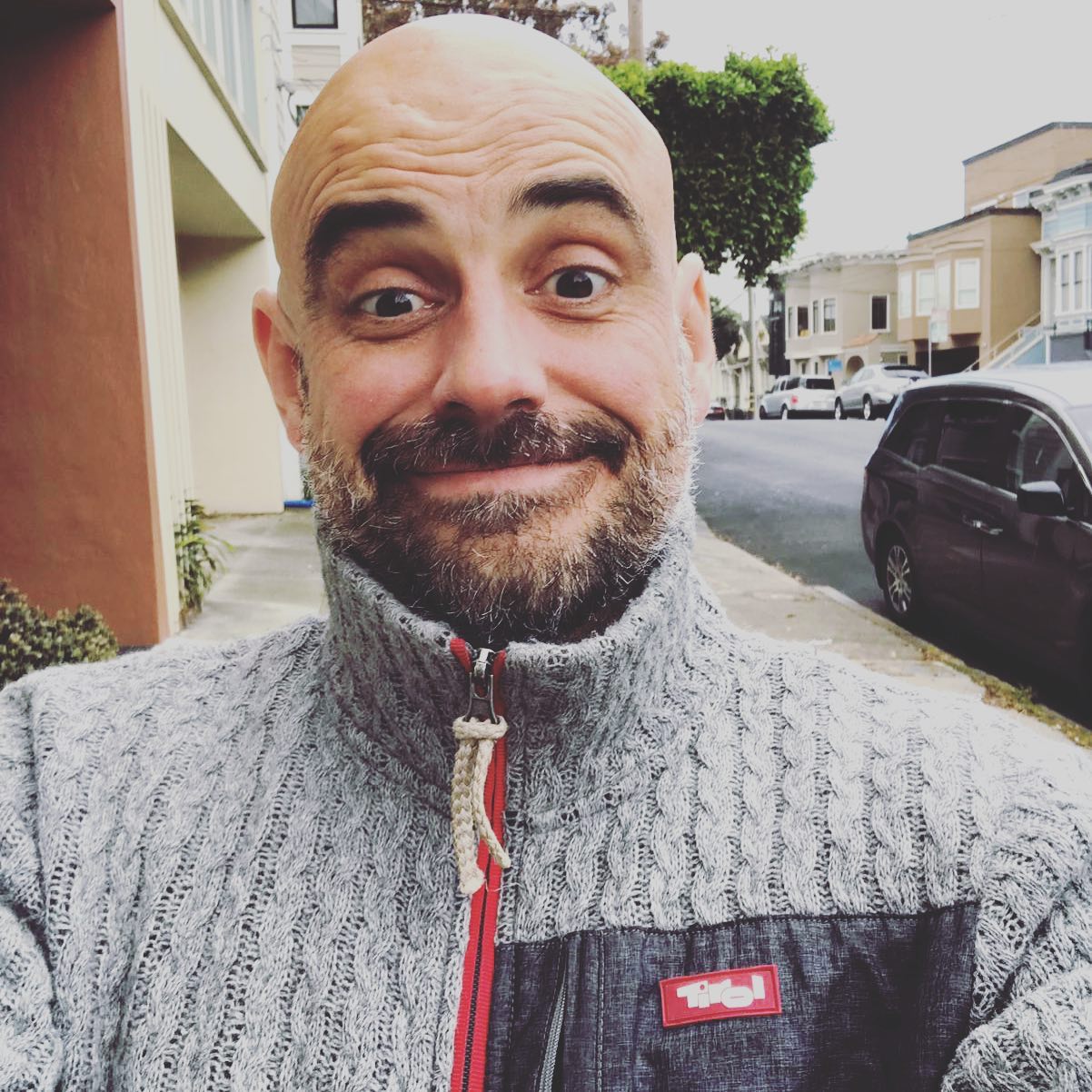
With Professor Corey Hart · In person or live online · Lifetime foundational course access for every student
From wanting to doing
Ambition needs a way forward.
Students can care deeply about their futures and still struggle to decide where to begin. As their independence grows, they need practical ways to organize commitments, plan their week, see their money clearly, seek guidance, and act on opportunities.
This session brings the whole foundational course into the room. Through stories, reflection, and practical examples, students see how the five foundations work together—and choose an action they can take next.
Five foundations. One practical system.
What students learn—and build.
01
Start Where You Are
Review the way you keep track of commitments and choose a planning system you can trust. Bring important information together in your Personal Command Center.
Tool to put into practice
A planning-system audit and your own Personal Command Center.
02
Find Your People
Identify teachers, professors, mentors, advisors, peers, and resources that can help. Use The Professor Playbook to make yourself known and ask for guidance.
Tool to put into practice
A support map and a specific request for guidance.
03
Build Your Week
Turn a goal into a first action and give it a real place in a week that includes school, work, life, and recovery. Adjust the plan when life changes.
Tool to put into practice
A realistic seven-day plan and a repeatable weekly check-in.
04
See Your Money Clearly
Lay out money coming in and going out for the same period. Notice what needs attention and schedule a short recurring check-in.
Tool to put into practice
A money-in / money-out snapshot and a scheduled money check-in.
05
Create Your Own Luck
Practice networking through curiosity, authentic relationships, generosity, and follow-through. Get ready for a warm connection, with Boardy and the course’s preparation tools to help.
Tool to put into practice
An opportunity outreach draft and a plan to follow up.
Both formats cover the whole five-foundation course. The 45–60 minute talk explains the system with examples and reflection; the 75–90 minute workshop adds guided time to begin each tool. Every student receives lifetime access to the foundational course, guided exercises, and workbook to continue at their own pace.
Built around your students
One framework. Their actual next chapter.
High schools & pre-college programs
For juniors and seniors preparing for college, training, or work. Students practice managing increasing responsibility while support is nearby.
Senior transition days and advisory programs
College and career readiness events
Pre-college and summer bridge cohorts
Examples reflect different pathways, including commuting, working, and balancing family responsibilities.
Colleges & universities
For first-year and transfer students building a workable system around classes, jobs, relationships, and responsibilities.
Orientation and welcome programming
First-year seminars and student success workshops
Transfer programs and semester resets
Support maps can feature your institution’s advisors, peer mentors, faculty, and existing resources.
Choose the experience
A format that fits your program.
45–60 minutes
Interactive talk
The whole five-foundation system through stories, reflection, practical examples, an action sheet, and Q&A. Every student receives lifetime foundational course access to put it into practice.
75–90 minutes · Guided practice
Talk + action workshop
The full talk plus guided practice across all five foundations: a planning-system audit and Command Center, support map, realistic week, money snapshot and check-in, and outreach draft. Lifetime foundational course access included.
Up to three agreed sessions
School or campus day
Bring the five-foundation experience to several student cohorts, or pair student sessions with a parent or staff discussion about follow-through. Lifetime foundational course access for every participating student.
The session starts it. Lifetime access keeps it going.
Every participating student receives lifetime access to The Rising Advantage foundational course—all five foundations, guided exercises, and the interactive workbook—with no additional course purchase or subscription required. Every booking also includes a planning conversation, printable and digital action tools, and a seven-day follow-up guide for your team. Scope and fees reflect the audience, format, location, and customization.
Corey Hart teaches business at Grand Valley State University and brings experience founding companies and advising growing organizations back to the classroom.
He created The Rising Advantage to help students see the hidden parts of college and early adulthood—and take useful action on them. His approach connects classroom realities with the relationships, decisions, and follow-through that matter beyond graduation.
The ambition is there. The next step isn’t always clear.
58%
want structure
Selected “I’m figuring things out but I want structure.”
48%
have ideas, but no plan
Have two or three career ideas without a plan yet.
64%
use a calendar inconsistently
Use a weekly calendar only sometimes or never.
44%
put off important tasks frequently
Procrastinate on important but nonurgent tasks often or almost always.
31%
aren’t sure where to start
Selected “I don’t know what to do first” as a reason they put things off.
40%
feel overwhelmed by the task
Selected feeling overwhelmed as a reason they put things off.
57%
need a person or a script
Don’t know whom to contact for networking, or are open to it with a script.
58%
didn’t report having a budget
Did not select “I have a budget” in the money habits question.
67%
want a checklist or deadlines
Chose a checklist or deadlines/accountability as what would help them follow through.
98%
would consider using an outreach script
Said yes or maybe to sending two networking messages if given a simple script.
Source: Corey Hart’s BUS 101 student survey. Percentages use all responses and are rounded to the nearest whole number. Some questions allowed multiple selections. These findings describe this classroom sample; stated willingness is not completed action or a measured workshop result.
Before → after: a system to keep using
Every challenge gets a practical way forward.
Every issue below has a response within the Rising Advantage framework. The talk covers all five foundations, the workshop adds guided practice, and lifetime course access gives every student the tools and steps to keep building after the session.
Start Where You Are
Before: the challenge
Scattered commitments and important information. Uncertainty about the first step.
After: the tool and next action
Audit your planning system, choose trusted places for tasks and references, and set up your Personal Command Center.
Find Your People
Before: the challenge
Not knowing whom to ask—or how to start the conversation.
After: the tool and next action
Map people and campus resources, then draft a specific request for guidance.
Build Your Week
Before: the challenge
Inconsistent calendars, procrastination, and feeling overwhelmed.
After: the tool and next action
Choose a goal and first action, place it in a realistic week, anticipate an obstacle, and choose a check-in for follow-through.
See Your Money Clearly
Before: the challenge
Money responsibilities without a clear budget.
After: the tool and next action
Lay out money in and money out for the same period, notice one next action, and schedule a recurring money check-in.
Create Your Own Luck
Before: the challenge
Career ideas without a connection or opportunity step.
After: the tool and next action
Draft an outreach message and choose whom to contact, when to send it, and how to follow up.
All five foundations are covered in the talk and available for continued practice through lifetime course access. Workshop participants begin the tools together; students can complete and revisit them afterward. Lasting habits develop through continued use, and individual progress varies.
Planning your event
A few useful details.
Can the session reflect our students and campus?
Yes. The planning conversation covers student needs, goals, group size, and your existing resources. Examples and the support map can reflect your institution.
Is lifetime course access included?
Yes. Every participating student receives lifetime access to the full five-foundation course, guided exercises, and interactive workbook. No additional course purchase or subscription is required. Printable tools are available for the live session; students create an account to use the online course afterward. Access instructions are coordinated with your organizer.
How do you support follow-through?
Students can revisit all five foundations and their tools through lifetime course access. Your team also receives a seven-day guide with prompts for checking in on student actions. For an agreed pilot, we can also collect aggregate feedback about tool completion and the next steps students took.
What group size works for a workshop?
A smaller cohort gives students more room to practice. We’ll discuss group size, room layout, and any facilitation support before recommending a format. Larger audiences can begin with the interactive talk.
Are you offering pilots?
We’re inviting schools and colleges to discuss paid introductory pilots. Together, we’ll agree on the audience, learning goals, scope, fee, and feedback plan.
How do we get a quote?
Share your institution, audience and group size, preferred dates, location or virtual format, desired outcomes, and budget range if known. We’ll recommend a scope and send a proposal. Travel and recording permissions are agreed separately.
Bring The Rising Advantage to your students
Help them turn “someday” into a next step.
Let’s build a session around the students you serve.